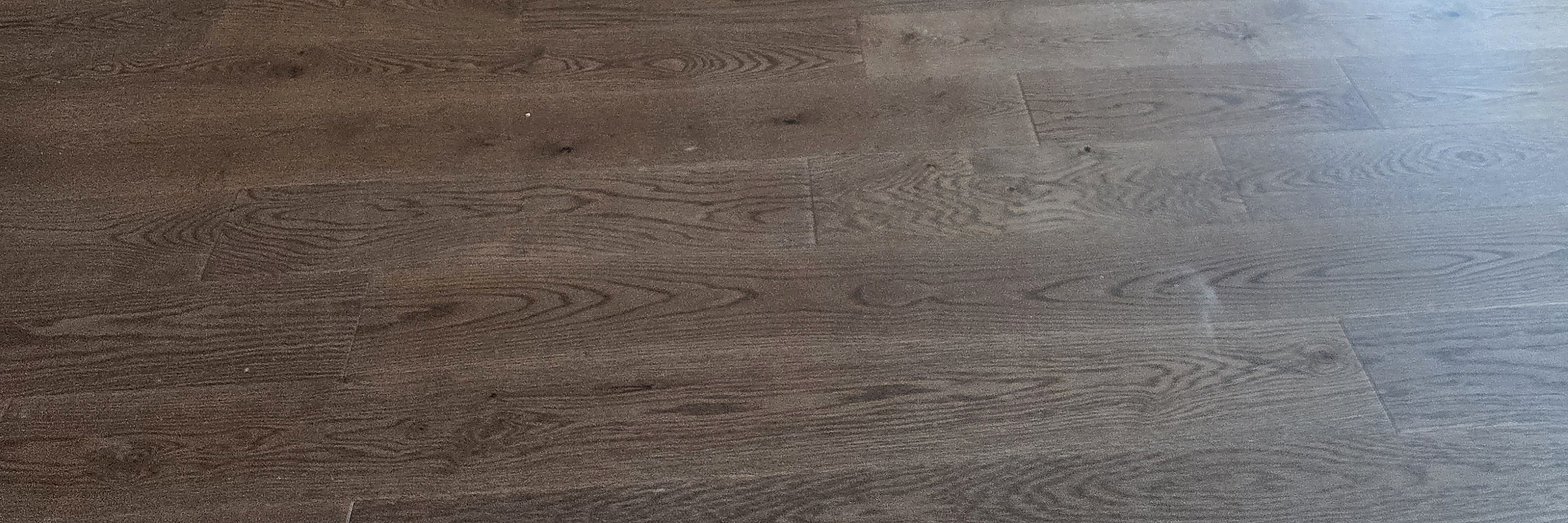
Engineered Hardwood Flooring in Elk River, MN
What Engineered Hardwood Actually Is
Engineered hardwood is real wood, top to bottom — but built in layers. A genuine hardwood wear layer sits on top, the part you see, walk on, and feel underfoot. Beneath it, a core of cross-layered wood plies is bonded together with the grain running in different directions. That cross-grain construction is the whole point: it resists the swelling, shrinking, and cupping that solid planks are prone to when the air around them dries out or turns humid.
The result is a floor that gives you the look, grain, and warmth of solid hardwood with a more dimensionally stable core. To the eye and to the touch, a quality engineered plank reads as hardwood. The difference is in how it behaves over time — and in Minnesota, that matters more than most homeowners expect.
Where It Shines, and Where It Doesn't
Engineered hardwood shines in dry, main-level living spaces — living rooms, dining rooms, hallways, and bedrooms where you want the genuine character of wood. It holds up well to everyday household traffic and brings a warmth that vinyl and laminate can approximate but not fully match.
It is not the right choice for full bathrooms, laundry rooms, or anywhere standing water is a regular event. Wood and persistent moisture do not mix, and no finish makes them mix. It is also not a sound pick for unheated three-season rooms, where temperature and humidity swing far beyond what the flooring was designed for. We will tell you plainly if a space you have in mind is a poor fit.
How Engineered Hardwood Handles Minnesota Homes
Minnesota homes put flooring through a real cycle. Forced-air heat drives indoor humidity low through the winter, which pulls moisture out of wood and can open gaps between planks. Summer brings humidity back, and the wood takes on moisture again. Year after year, that expansion and contraction is what ages a wood floor.
The layered core of engineered hardwood is built to move less through that cycle than solid planks do, which is why so many of our customers choose it for main-level spaces. Basements are a separate question. Many engineered products are rated for use on or below grade, but not all of them are. Always follow the manufacturer's rating and the published humidity range for the specific product, since that is what protects the product's warranty. If a basement is in your plans, we will help you confirm the rating before you commit.
Subfloor and Prep: Why It Matters for Wood
A wood floor is only as flat as what it sits on. An uneven subfloor telegraphs through engineered planks as bounce, squeaks, and visible seams that open up over time. Before any plank goes down, we check the subfloor for flatness, look for loose areas, and address the high and low spots so the finished floor lays true.
Moisture testing matters here too. We want to know the subfloor is dry and stable before a wood floor goes over it, because trapping moisture under hardwood leads to cupping and adhesion problems. This is the unglamorous part of the work, and it is the part that keeps a floor looking right for years.
How Our Installation Works
Every installation starts with acclimation. The planks need to sit in your home, in the rooms where they will be installed, so their moisture content can come into balance with your indoor air. Acclimation matters. Skipping it is the most common reason a wood floor gaps or cups after install, so we do not rush it.
From there we lay out the floor with the room's light and traffic flow in mind, work the planks tight, and keep expansion gaps at the perimeter where the floor needs room to move. Transitions to other rooms and other floor types get finished trim that ties the space together. We install and we repair — and we are straightforward about this: we do not sand and refinish hardwood. Some engineered floors can be refinished later depending on the thickness of the wear layer, but that is a separate service and not one we offer. If that is what you need, we will tell you up front.
Recent Work
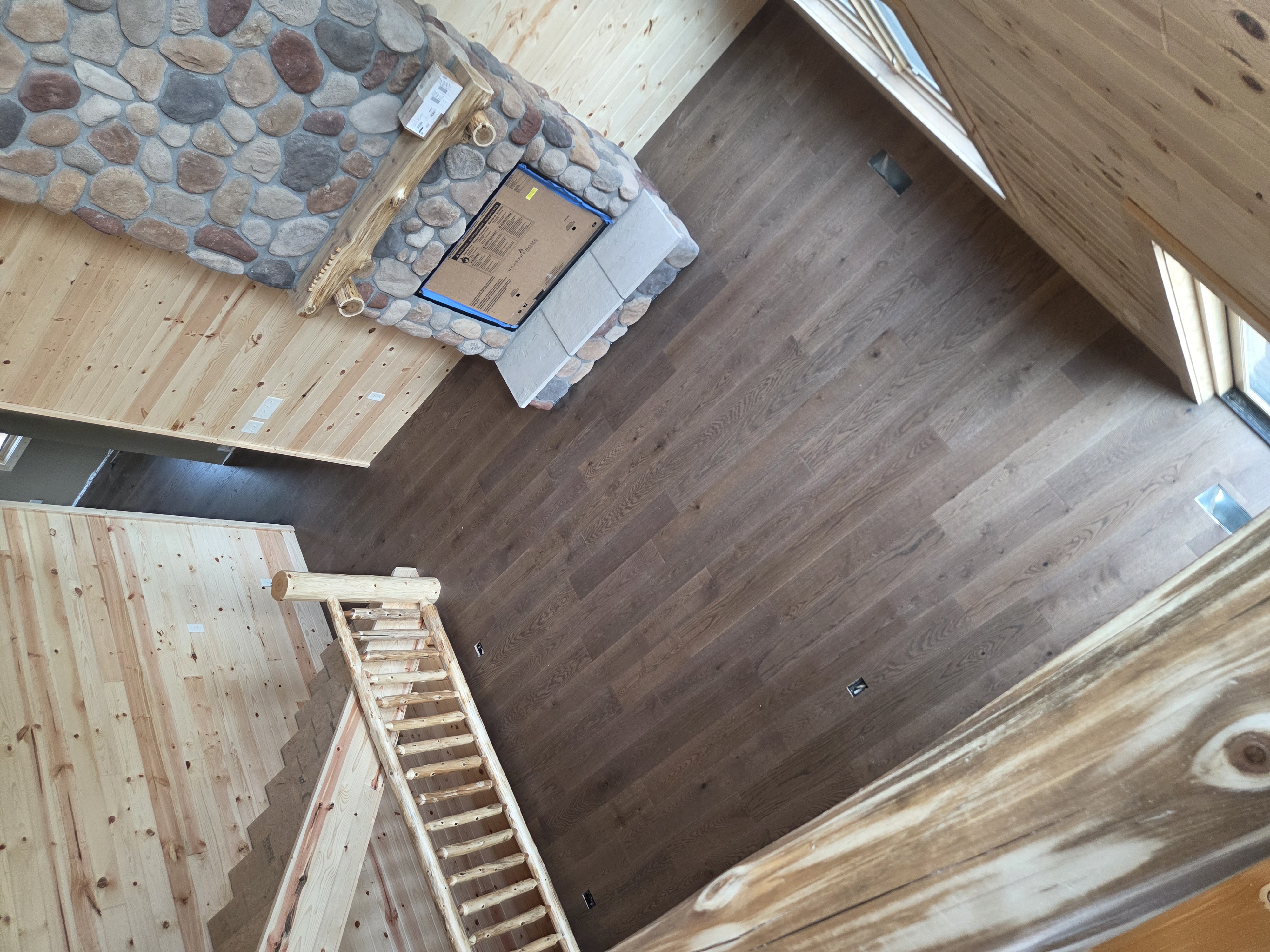
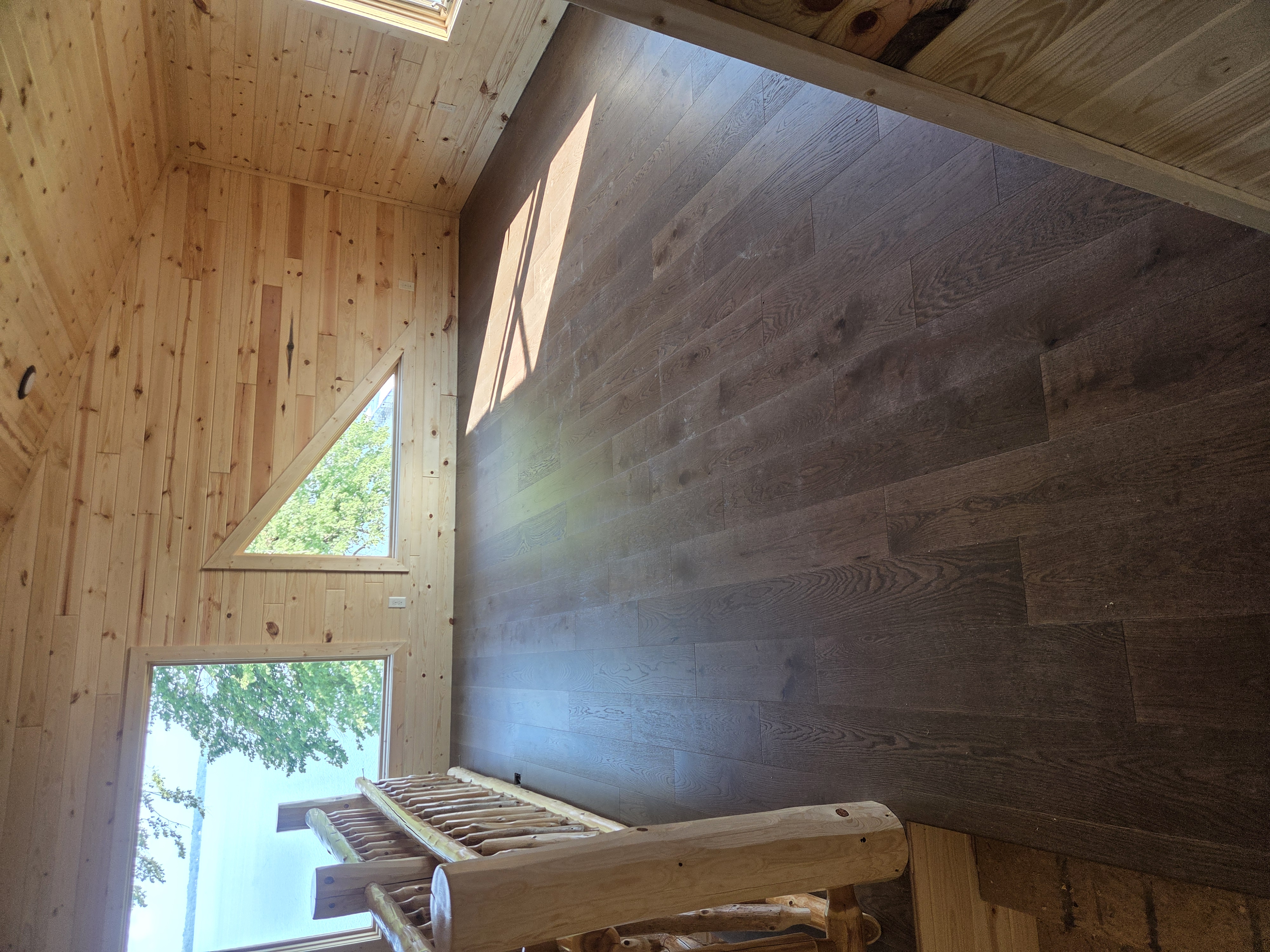
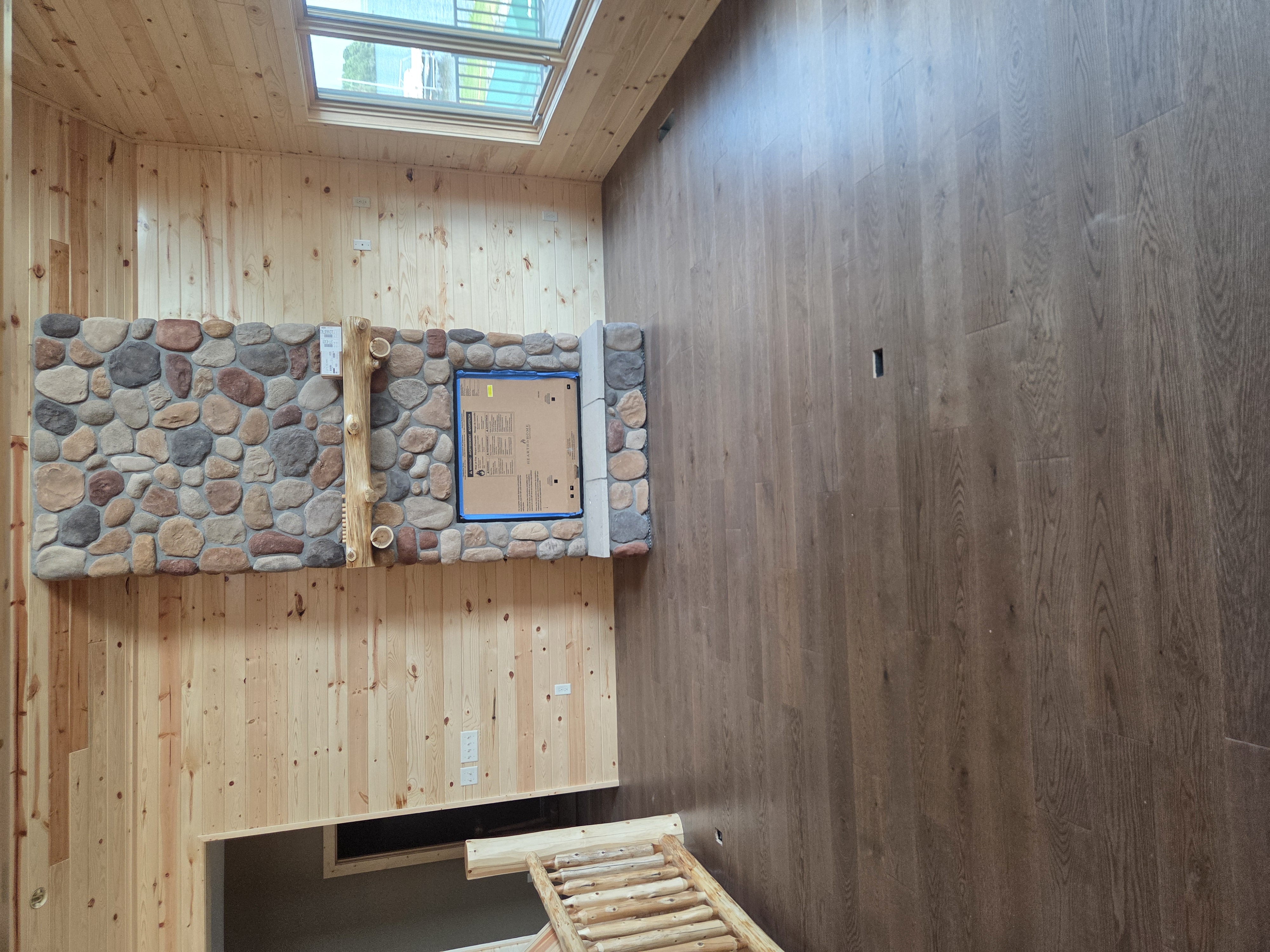
Engineered Hardwood in Real Homes
Questions
Engineered Hardwood FAQ
Yes. The wear layer you see and walk on is genuine hardwood. Beneath it is a cross-layered wood core that gives the plank dimensional stability. It reads and feels as hardwood — the difference is in how it is built and how it moves.
Many engineered products are rated for on- or below-grade use, but not all of them are. Always follow the manufacturer's rating and published humidity range for the specific product, since that protects the warranty. We help you confirm the rating before you commit to a basement install.
No. We install and repair, but we do not sand and refinish hardwood. Some engineered floors can be refinished later depending on the wear-layer thickness, but that is a separate service we do not offer. If refinishing is what you need, we will tell you up front.
Wood takes on and gives off moisture with the air around it. If planks are installed before their moisture content balances with your home, they will shrink or swell afterward — showing up as gaps, cupping, or peaking. Acclimation lets the floor settle before it is locked in place.
All wood moves with humidity changes, and dry winter air can open small gaps between planks. The layered core of engineered hardwood is built to move less than solid planks through that cycle, which is part of why it is a popular choice here. Keeping indoor humidity in a reasonable range helps as well.
It can hold up to everyday household traffic, but it is real wood, so claws can scratch the finish over time and accidents need to be wiped up promptly. For a home with large dogs or heavy traffic, luxury vinyl is often the tougher choice. We will talk through the trade-offs honestly.
Where We Work
Serving These Communities
We install and repair engineered hardwood in homes across Sherburne, Anoka, Wright and surrounding counties.
Get Started
Request Your Free Consultation
Tell us about your space. We'll get back to you to talk it through.
Not Sure Which Floor?
Try Our Floor Finder
Answer four quick questions and we'll point you toward the right material for your room.
Question 1 of 4