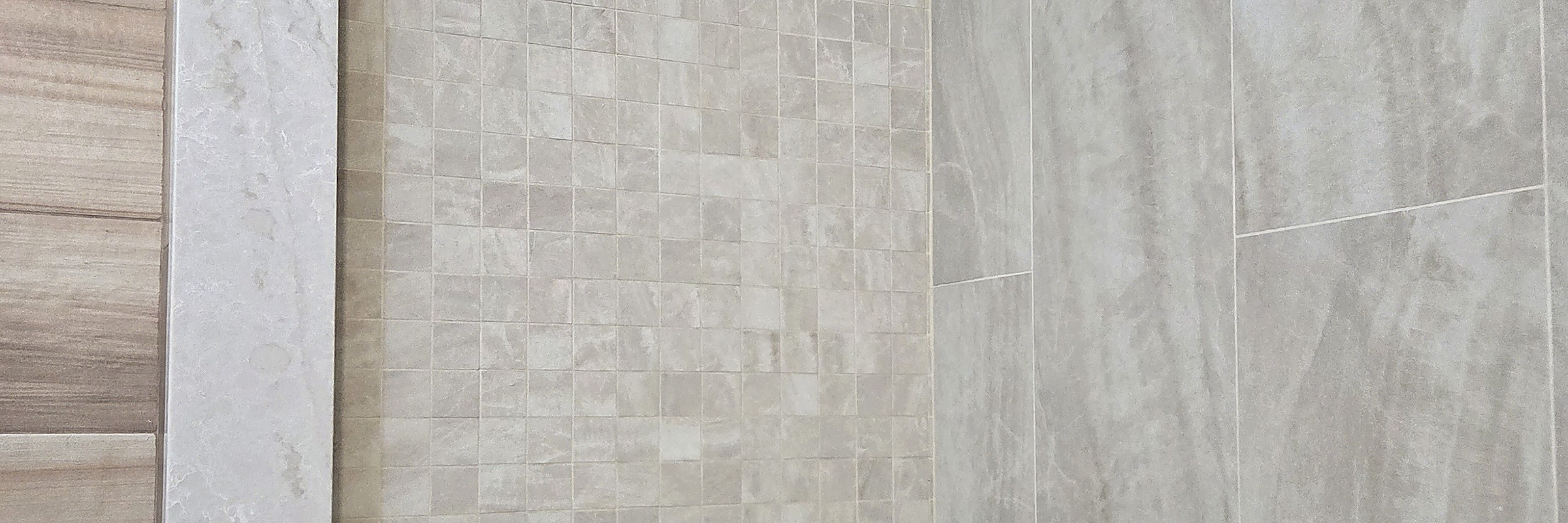
Ceramic Tile Flooring in Elk River, MN
What Ceramic Tile Flooring Is
Ceramic tile is a fired-clay floor, hard and dense, made to take water, grit, and heavy use without complaint. It is the floor we reach for in bathrooms, entries, mudrooms, and laundry rooms — the spaces in a home that see the most moisture and the most mess. A glazed ceramic surface cleans with a mop and shrugs off a Minnesota winter's worth of boots and road salt.
Tile is set in mortar over a stiff base and grouted between the pieces, which is what gives it that solid, permanent feel underfoot. It is a floor meant to last, and the look holds up as long as the install beneath it is sound.
Where It Shines, and Where It Doesn't
Tile shines anywhere water and grit are a fact of life — bathrooms, entries, mudrooms, kitchens, and laundry rooms. It will not stain, warp, or swell from water, and a glazed surface resists the salt and slush that winter boots track in. For a space that has to be hosed down in spirit if not in fact, tile is the answer.
The honest drawback is comfort. Tile can feel cold underfoot, especially in our climate, and it is hard — a dropped glass breaks, and standing on it for long stretches is tiring. We do not offer heated floors. If a warm, softer tile-look floor matters more to you than the durability of ceramic, grouted luxury vinyl tile is worth a look — it gives the appearance of tile without the cold, hard feel. See our luxury vinyl plank and tile page for that option.
How Tile Handles Minnesota Homes
Minnesota winters are exactly what ceramic tile is built for. Road salt, slush, and wet boots at an entry do not faze a glazed tile — you mop it clean and move on. In a bathroom, the humidity and splashing that would age a wood floor leave tile untouched.
The cold-underfoot point is real here, though. Tile stays close to the temperature of the room and the subfloor, so in a Minnesota winter it reads as cold unless you are standing on a rug. For an entry or mudroom that is a fair trade for the durability. For a bathroom where you step out of the shower, it is worth knowing before you choose. We will not talk you out of tile, but we will not pretend it is warm.
Subfloor and Prep: Why It Matters for Tile
Tile is unforgiving of a bad base. Tile needs a stiff, flat subfloor or it cracks. Ceramic does not flex, so any movement or unevenness underneath transmits straight to the tile as a crack along a grout line or through the face of a piece. A floor that bounces underfoot is a floor that will crack a tile install.
Before we set any tile, we make sure the base is rigid and flat — adding a proper underlayment where the structure needs it and checking for movement. The mortar bed and the grout do their job only when the base underneath does not move. This prep is the difference between a tile floor that lasts decades and one that cracks in the first winter.
How Our Installation Works
We start with the base — confirming it is stiff and flat, and building it up where it is not. Then we lay out the tile dry to plan the pattern and where the cuts fall, so the finished floor looks intentional rather than patched together. We set the tile in mortar, keep lines straight and even, and grout the joints for a clean, finished look.
Transitions to other floor types get trim that ties the rooms together, and we seal grout where the product calls for it. We install and we repair, and we are clear about what we do not do: we do not sand and refinish hardwood, and we do not take commercial work. This is residential tile, handled by the owner from consultation to final walkthrough.
Recent Work
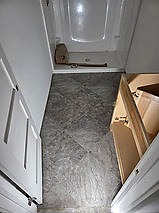
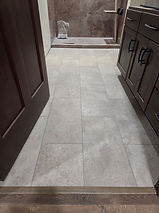
Tile in Real Homes
Questions
Tile FAQ
Yes — tile can feel cold underfoot, especially in a Minnesota winter, because it stays close to the temperature of the room and subfloor. We do not offer heated floors. If a warmer tile-look floor matters more than the durability of ceramic, grouted luxury vinyl tile is a softer, warmer alternative.
Tile cracks when the subfloor underneath it moves or is uneven, because ceramic does not flex. Tile needs a stiff, flat subfloor or it cracks. We confirm the base is rigid and flat before we set any tile, adding a proper underlayment where the structure needs it. That prep is what keeps a tile floor from cracking.
It is one of the best. A glazed ceramic surface shrugs off road salt, slush, and wet boots — you mop it clean and move on. For a space that takes a winter's worth of grit, tile is hard to beat. The trade-off is that it is cold and hard underfoot.
Ceramic tile is fired clay — hard, cold, and fully waterproof, set in mortar over a stiff base. Grouted luxury vinyl tile is glue-down vinyl tile set with grout lines, giving the look of tile that is warmer and softer underfoot. Ceramic is more durable; grouted LVT is more comfortable. We install both.
It can, but only if the wood subfloor is stiff enough not to flex — tile needs a rigid, flat base or it cracks. Often that means adding a proper underlayment over a wood subfloor before tile goes down. We assess the structure first and tell you plainly what the base needs.
No. We are residential only and do not take commercial work. If your project is a home, we handle it from consultation to final walkthrough.
Where We Work
Serving These Communities
We install and repair tile in homes across Sherburne, Anoka, Wright and surrounding counties.
Get Started
Request Your Free Consultation
Tell us about your space. We'll get back to you to talk it through.
Planning Your Order?
Estimate Your Square Footage
Add your room dimensions and layout to see roughly how much tile to plan for — no prices, just the math.
Common rules of thumb. Your installer confirms before ordering.
Your Estimate
0sq ft
incl. 10% waste · Straight lay
- Room area
- 0 sq ft
- With waste
- 0 sq ft